


This article was written in collaboration with our partner Leisure Domus, a smart luxury rental brand offering houses, rooms, and curated stays, sharing tips on culture and how to experience Italy like a local.
[Segue la versione in italiano]
When we talk about authentic Roman cuisine, pajata holds a very particular place. It is not just a recipe, but a narrative that weaves together material culture, collective memory and taste. It arrives at the table with the force of a popular tradition, with a name that sparks curiosity and often hesitation, and with a history that tells the story of Rome far better than any guidebook. Talking about pajata means entering the most authentic heart of the city’s cuisine, one built on ingenuity, absolute respect for raw ingredients and a gastronomic vision in which nothing is wasted. It is a dish that divides opinions, certainly, yet above all it represents a rite of passage for anyone who claims to truly know the city. It is not folklore, it is not provocation: it is food culture, collective memory, identity expressed through flavour. And today, thanks to rigorous controls and a highly regulated supply chain, pajata has returned to the place it rightfully belongs, without shortcuts and without compromise.
What Roman pajata really is
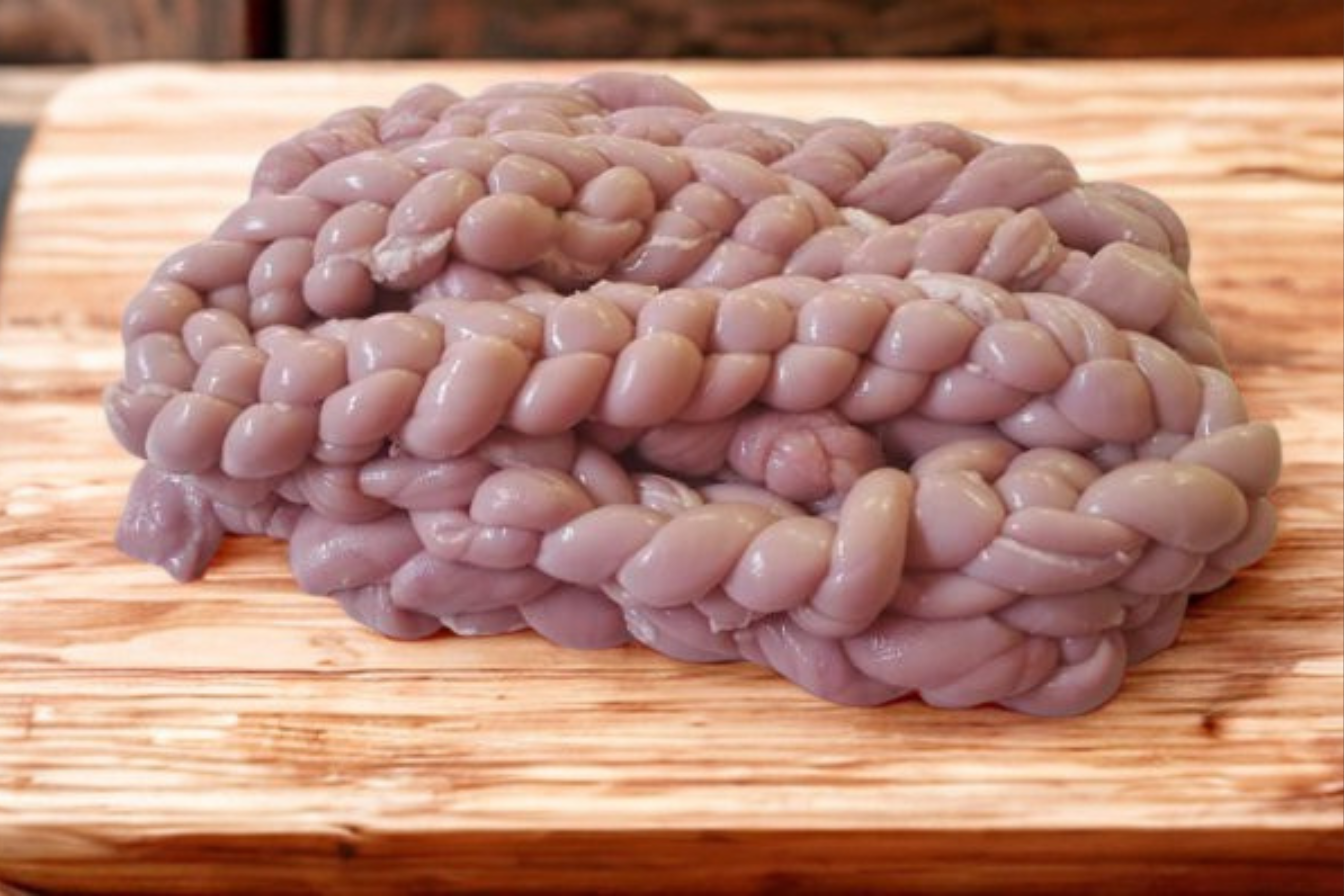
The term pajata refers to the first part of the small intestine of a milk-fed calf, specifically the duodenum, which still contains chyme, that is partially digested milk. This is where the culinary transformation takes place. During slow cooking, this curdled milk turns into a natural cream that gives the sauce a depth of flavour impossible to replicate artificially. Authentic pajata comes exclusively from animals fed only on their mother’s milk, an essential condition to achieve its characteristic pale colour and its rich, persistent, slightly herbaceous profile. It is an ingredient that fully belongs to the so-called “fifth quarter”, the world of offal which in Rome has never been considered lesser cuisine, but rather an expression of technical skill and deep respect for the animal.
From humble food to Roman icon
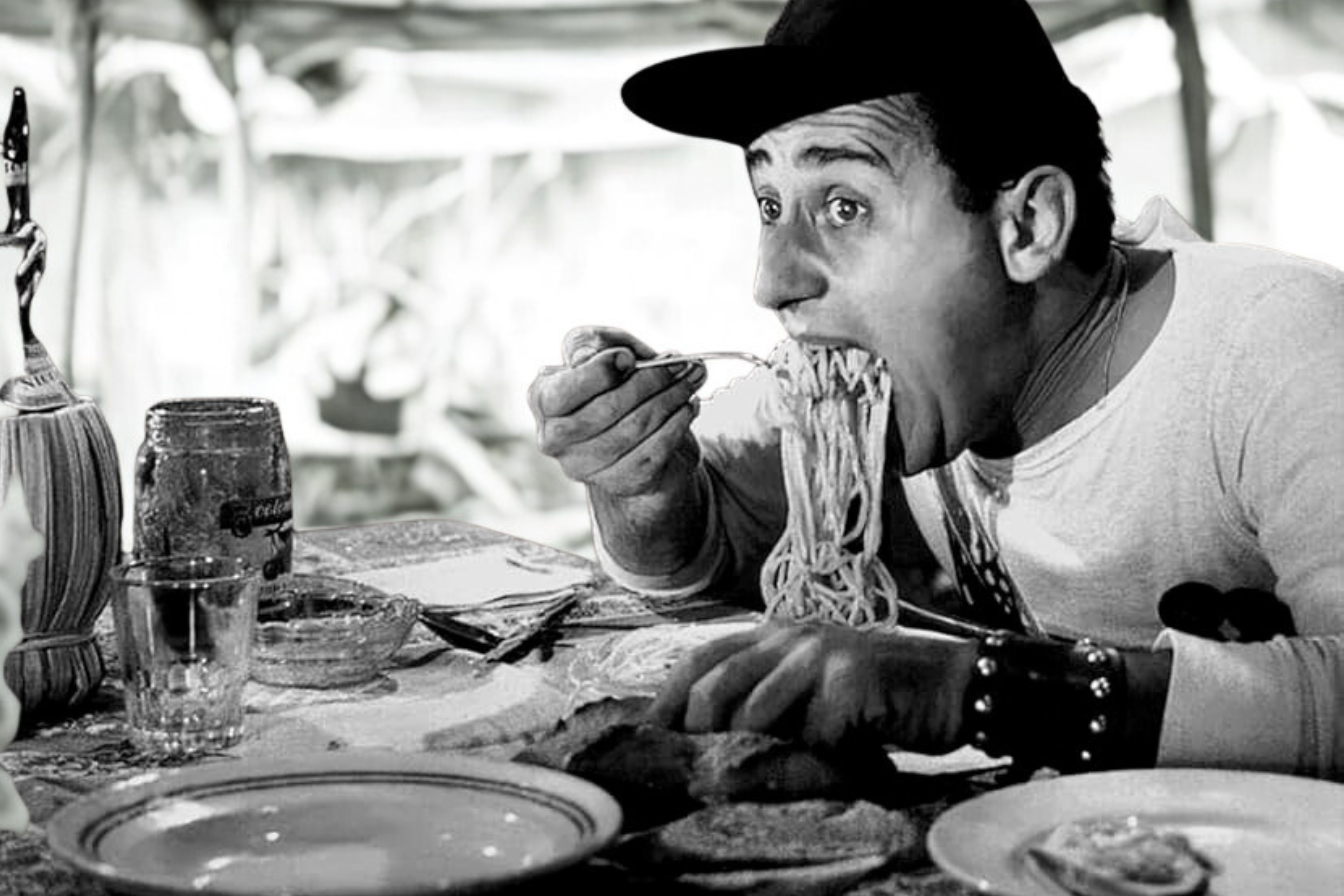
The history of pajata is closely tied to that of Rome’s working classes and to neighbourhoods that grew around slaughterhouses, such as Testaccio. This is where vaccinari worked, labourers often paid in kind, who would take home those cuts considered less noble. From necessity came ingenuity, and from those intestines emerged one of the city’s symbolic dishes. It is no surprise that pajata also entered the collective imagination through cinema, with Alberto Sordi celebrating its most irreverent soul in “Il Marchese del Grillo“. Beyond the joke, one powerful truth remains: Roman cuisine has never been afraid of the truth of its ingredients.
How it is prepared and why rigatoni are non-negotiable
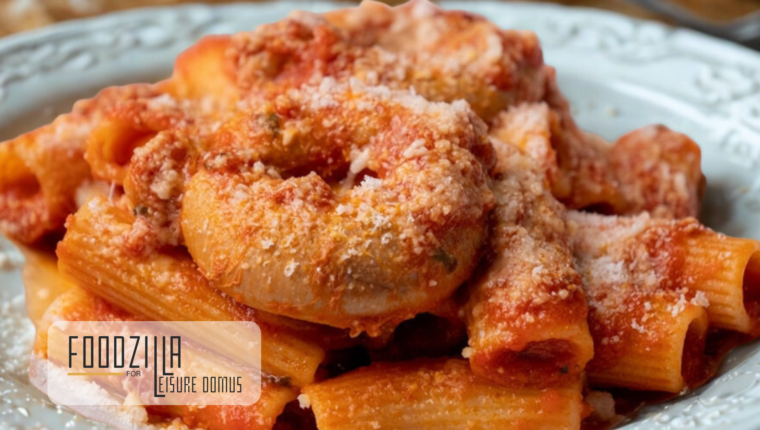
Preparing pajata requires care, respect and time. After thorough cleaning, the intestine is cut into sections and tied onto itself to retain the chyme during cooking. The sauce begins with a simple soffritto, tomato and a long, gentle simmer, during which the pajata slowly releases its natural creaminess. This process is what gives the condiment its depth and enveloping character. As for the pasta, in Rome there is no debate: rigatoni are the only acceptable choice. Their shape captures the sauce, holds it, enhances it. Any alternative would be a quiet betrayal.
A tradition that still speaks to the present
For many years, pajata disappeared from tables due to regulations linked to BSE, the so-called mad cow disease crisis. Its reinstatement marked far more than a gastronomic return; it was a cultural restitution. Today pajata is living a new season, embraced by historic trattorias and contemporary kitchens that treat it with strict respect for tradition. It proves that when tradition is solid, it does not need reinvention. It simply needs to be listened to.
_______________________________________________
Questo articolo è stato realizzato in collaborazione con il nostro partner Leisure Domus, un brand di ospitalità smart luxury che propone case, camere e soggiorni selezionati, condividendo consigli sulla cultura italiana e su come vivere l’Italia in modo autentico.
Pajata romana: ti spiego cos’è. Poi decidi tu
Quando si parla di cucina romana autentica, la pajata occupa un posto particolare: non è solo una ricetta, ma un racconto che intreccia cultura materiale, memoria collettiva e gusto. Arriva in tavola con la forza di una tradizione popolare, con un nome che incuriosisce e spesso intimorisce, e con una storia che racconta Roma molto meglio di qualsiasi guida turistica. Parlare di pajata significa entrare nel cuore più autentico della cucina capitolina, quella costruita sull’ingegno, sul rispetto assoluto della materia prima e su una visione gastronomica in cui nulla viene sprecato. È un piatto che divide, certo, ma soprattutto è un rito di passaggio per chi vuole dire di conoscere davvero la città. Non è folklore, non è provocazione: è cultura alimentare, è memoria collettiva, è identità che si fa sapore. E oggi, grazie a controlli rigorosi e a una filiera attentissima, la pajata è tornata a occupare il posto che le spetta, senza scorciatoie e senza compromessi.
Cos’è davvero la pajata romana
Con il termine pajata si indica la prima parte dell’intestino tenue del vitello da latte, in particolare il duodeno, che conserva al suo interno il chimo, ovvero latte parzialmente digerito. Ed è proprio qui che avviene la magia gastronomica. Durante la cottura lenta, questo latte cagliato si trasforma in una crema naturale capace di dare al sugo una profondità aromatica impossibile da replicare artificialmente. La pajata autentica proviene esclusivamente da animali nutriti solo con latte materno, condizione indispensabile per ottenere quella consistenza biancastra e quel profilo gustativo erbaceo, ricco, persistente. È un ingrediente che appartiene a pieno titolo al quinto quarto, l’universo delle frattaglie che a Roma non è mai stato sinonimo di cucina minore, bensì di sapienza tecnica e rispetto assoluto dell’animale.
Dalla cucina povera al mito gastronomico
La storia della pajata è intrecciata a doppio filo con quella delle classi popolari romane e con i quartieri cresciuti attorno ai mattatoi, come Testaccio. Qui lavoravano i vaccinari, operai pagati spesso in natura, che portavano a casa proprio quelle parti considerate meno nobili. Da necessità nasce virtù, e da quelle budella nasce uno dei piatti simbolo della città. Non stupisce che la pajata sia entrata anche nell’immaginario collettivo grazie al cinema, con Alberto Sordi che ne celebra l’anima più irriverente in “Il Marchese del Grillo”. Dietro la battuta, resta una verità potente: la cucina romana non ha mai avuto paura della verità degli ingredienti.
Come si prepara e perché i rigatoni non si discutono
La preparazione della pajata richiede attenzione, rispetto e tempo. Dopo una pulizia accurata, l’intestino viene tagliato in segmenti e legato su sé stesso per trattenere il chimo durante la cottura. Il sugo nasce da un soffritto essenziale, pomodoro e una lunga attesa a fuoco dolce, durante la quale la pajata rilascia lentamente la sua cremosità naturale. È questo processo che rende il condimento così profondo e avvolgente. Quanto alla pasta, a Roma non esiste dibattito: i rigatoni sono l’unico formato possibile. La loro struttura accoglie il sugo, lo trattiene, lo amplifica. Ogni alternativa sarebbe un tradimento silenzioso.
Una tradizione che parla ancora al presente
Per anni la pajata è stata assente dalle tavole a causa delle normative legate alla BSE, la crisi della mucca pazza. La sua riabilitazione ha segnato molto più di un ritorno gastronomico: è stata una restituzione culturale. Oggi la pajata vive una nuova stagione, tra trattorie storiche e cucine contemporanee che la trattano con rigore filologico. È la dimostrazione che la tradizione, quando è solida, non ha bisogno di essere reinventata. Basta ascoltarla.
Questo contenuto è stato realizzato nel rispetto dei principi di trasparenza e tracciabilità previsti dal Regolamento Europeo AI Act (2025). Tipo di contenuto: AI-assisted


