


This article was written in collaboration with our partner Leisure Domus, a smart luxury rental brand offering houses, rooms, and curated stays, sharing tips on culture and how to experience Italy like a local.
[Segue la versione in italiano]
In many cities, markets are simply places to buy groceries. In Rome, however, many traditional neighborhood markets have evolved into destinations where stopping for lunch has become part of the experience. Between fruit and vegetable stalls, fishmongers, butchers and long-established family businesses, a new generation of bakeries, open kitchens, artisan food shops and small restaurants has breathed fresh life into spaces that locals have frequented for decades.
Stepping into a Roman market means experiencing the neighborhood at its most authentic. Some people are there to pick up a few tomatoes for dinner, others grab a slice of pizza fresh from the oven, while many simply stop for a sandwich and enjoy watching the constant flow of everyday life. It’s a slower, more genuine way to experience the city, far from Rome’s busiest tourist attractions.
We’ve selected some of the best markets in Rome where the food alone is worth the visit. And what about you? Do you have a favorite market, or one that holds special memories? Let us know in the comments on our social media channels.
Mercato Rionale De Calvi

Located in the heart of Monteverde, Mercato Rionale De Calvi perfectly represents the evolution of Rome’s neighborhood markets. It remains an essential shopping destination for local residents, while its growing food scene has attracted visitors looking for something beyond the usual lunch spot.
One of the market’s standout additions is MUN Sushi Bar, which serves contemporary Japanese cuisine with an emphasis on high-quality seafood and dishes prepared to order. A sushi restaurant inside a traditional Roman market may sound unexpected, yet it blends surprisingly well with the market’s modern atmosphere.
Another key player is Raro Market Lab, a venue that has helped redefine the market’s identity. Its menu changes throughout the day, offering breakfast, lunch, aperitivo and dinner, all prepared with carefully selected ingredients. The relaxed atmosphere and informal service make it feel more like a neighborhood food lab than a conventional restaurant.
The result is a market that has preserved its close relationship with longtime butchers, greengrocers and local vendors while becoming a genuine culinary destination. It’s a perfect example of how a traditional market can reinvent itself without losing its connection to the community.
Mercato Centrale Roma

Mercato Centrale is unlike any other market featured in this selection. It wasn’t conceived as a traditional neighborhood market and doesn’t play the same daily role as Testaccio, Irnerio or De Calvi. Instead, it’s a vibrant food hall housed inside the historic Cappa Mazzoniana wing of Rome’s Termini Station, bringing together some of Italy’s best-known artisans, chefs and food producers under one roof. Even so, leaving it out of a guide to Rome’s best food markets would be impossible.
The venue is home to an impressive variety of culinary concepts, making it possible to eat from morning until late in the evening. Among its most recognizable names is Trapizzino by Stefano Callegari, the now-famous triangular pocket of pizza dough stuffed with iconic Roman recipes. Whether filled with chicken cacciatora, meatballs in tomato sauce or braised tongue with green sauce, Trapizzino has become one of Rome’s most celebrated street food creations, loved by both locals and visitors.
Those craving American comfort food can stop at Joe Bastianich’s eatery, where the focus is on perfectly seared smash burgers and crispy fried chicken. It’s a completely different culinary experience from Callegari’s Roman classics, yet that’s precisely what makes Mercato Centrale so appealing: the diversity of its food offering.
Another standout is Zheng Yong, whose handmade Chinese dumplings are prepared according to traditional recipes and made fresh throughout the day. Equally worth discovering is Dennys G. Rodriguez’s rotisserie, where Cuban flavors meet Italian ingredients in a menu that reflects the chef’s personal journey. Wine lovers, meanwhile, can explore Vinario 4, while the list of resident artisans continues to evolve with new openings and collaborations, ensuring there’s always something different to try.
Mercato Centrale works especially well for groups, since everyone can order from a different kitchen before gathering around the shared tables. Its location inside Rome’s main railway station makes it incredibly convenient, but reducing it to just another station food court would be unfair. Thanks to the quality and variety of its artisans, it has become one of the city’s most exciting casual dining destinations.
Mercato Irnerio
For many years, Mercato Irnerio remained largely unknown outside the Aurelio district, despite being located in one of Rome’s busiest residential areas. Today, however, it’s well worth the visit thanks to a handful of food businesses that have transformed part of the market into a pleasant place to stop for lunch.
The first name to remember is Mejo!, a small trattoria serving traditional Roman cuisine right inside the market. The setting is informal and welcoming, somewhere between a neighborhood kiosk and a classic osteria, but the food is taken seriously. Carbonara, gricia, cacio e pepe, supplì, coratella and other Roman favorites are prepared with care, making it an excellent choice for both a quick lunch and a more relaxed meal.
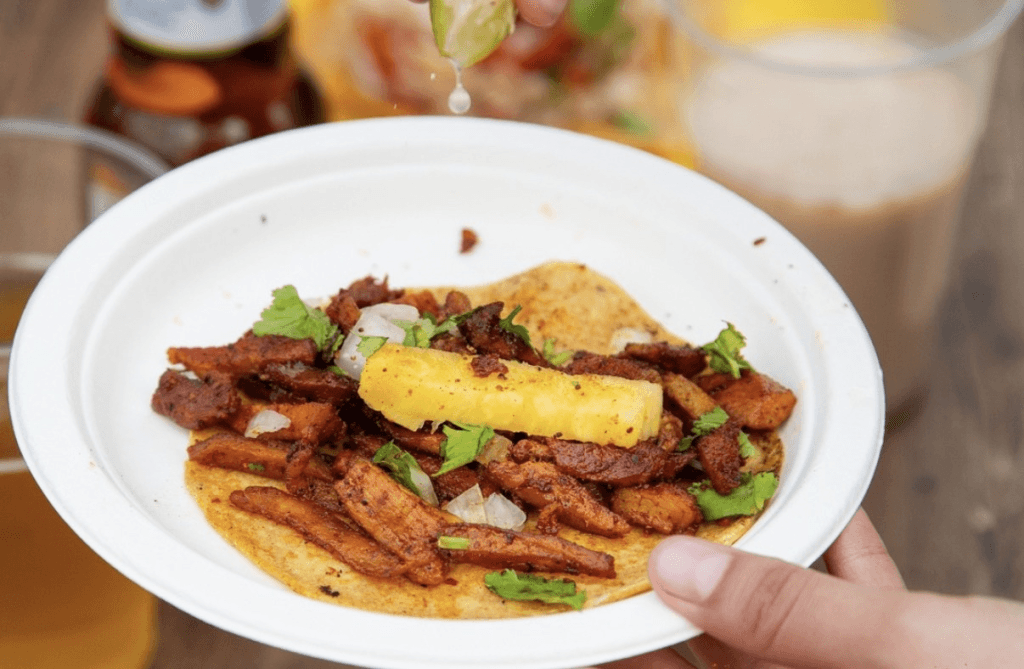
Another highlight is El Jalapeño, a Mexican taqueria and grocery store founded by Lina, who moved to Rome from Mexico City. Alongside tacos, quesadillas, nachos and gringas, you’ll also find authentic Mexican products that are rarely available elsewhere in the city. It’s a perfect example of how Rome’s neighborhood markets have embraced international cuisines while remaining deeply connected to their local communities.
This contrast between Mejo! and El Jalapeño is precisely what makes Mercato Irnerio so interesting. Within just a few steps, you can move from the comforting flavors of traditional Roman cooking to authentic Mexican street food, all without the polished feel of a modern food hall. It’s still very much a neighborhood market, just one with an increasingly diverse and exciting culinary identity.
Mercato Trionfale

With more than 270 stalls spread across nearly 5,000 square meters, Mercato Trionfale is one of the largest covered markets in Europe. Just a short walk from the Vatican Museums, it remains a favorite shopping destination for Romans looking for fresh fish, meat, cheese, cured meats, bread and regional specialties. In recent years, however, it has also become one of the city’s most exciting places to enjoy a meal.
Seafood lovers shouldn’t miss Il Pescatorio al Mercato, which grew out of the market’s historic fishmonger. Every day, the freshest catch is transformed into tartares, seafood specialties, fried fish and the famous Maretozzo, a seafood-filled sandwich that has quickly become one of the venue’s signature dishes.
The market’s international side is represented by YOROSHIKU, where sushi, sashimi, poké bowls and other Japanese dishes are prepared to order. Meanwhile, anyone looking for a lighter break can stop at La Casina del Caffè, a local favorite known for what many consider some of the best sandwiches in Rome. Alongside classic fillings, it also offers more creative combinations and serves traditional Roman dishes during lunchtime.
What makes Mercato Trionfale so appealing is its balance. It remains, first and foremost, a genuine neighborhood market where locals still do their weekly shopping, yet it has gradually evolved into a destination where excellent food is just as important as the produce on display. The best advice is simply to arrive hungry and take your time—every visit offers the chance to discover something new.
Mercato di San Cosimato

Unlike some of the markets featured in this guide, Mercato di San Cosimato isn’t a modern food hall filled with restaurants. Its culinary appeal comes from something much simpler: outstanding ingredients and the authentic atmosphere of one of Trastevere’s most beloved squares.
Among the historic stalls you’ll find greengrocers selling seasonal produce—much of it sourced from the nearby Castelli Romani area—alongside fishmongers, butchers and specialty food vendors. La Macelleria di Mare and Maura e Giuseppe are well-known stops for fresh seafood, while Claudio’s butcher shop offers premium cuts of meat as well as homemade meatballs, cutlets, poultry and other ready-to-cook specialties.
If you’re looking for something already prepared, it’s worth exploring the restaurants surrounding the square, which have developed a close relationship with the market itself.
Rather than trying to reinvent itself, San Cosimato has preserved its original identity. People still come here to shop for high-quality ingredients, soak up the neighborhood atmosphere and then continue their lunch in one of the nearby restaurants. It’s a quieter, more traditional market, but that authenticity is precisely what makes it so special.
Mercato Rionale Monti – Via Baccina

Hidden just a few minutes from the Roman Forum and the Colosseum, the small market on Via Baccina may not have the size or fame of Testaccio or Trionfale, but it offers one of the city’s most rewarding food stops.
The undisputed star is Pippo Tortellino, a fresh pasta workshop that also serves as a casual eatery. Here, Filippo Fazi prepares fettuccine, gnocchi, tortellini, ravioli, lasagna and many other handmade specialties every day. Visitors can either buy fresh pasta to take home or enjoy dishes cooked on the spot, making it one of the most authentic lunch options in the historic center.
The daily menu combines timeless Roman classics such as carbonara, cacio e pepe and amatriciana with more creative fillings and seasonal recipes. It’s simple food, prepared with great attention to quality, and well worth a stop even if you’re just exploring the Monti district.
The rest of the market remains faithful to its neighborhood roots, with stalls selling fruit and vegetables, cheese, cured meats and other everyday essentials. Rather than offering dozens of dining options, Via Baccina focuses on doing a few things exceptionally well—and that’s exactly what gives it its charm.
Mercato di Testaccio

If there’s one market that has truly become a food destination over the last decade, it’s Mercato di Testaccio. Now housed in its modern building on Via Beniamino Franklin, it features more than one hundred stalls and is widely regarded as one of the best examples of how a traditional Roman market can evolve without losing its identity.
While locals still come here to shop for fresh produce, many visitors arrive with one goal in mind: lunch. The market’s undisputed star is Mordi e Vai, a legendary food stall that has become an icon of Roman street food. Its sandwiches are filled with classics of traditional Roman cuisine, including slow-cooked beef, picchiapò, tripe, meatballs and other recipes deeply rooted in the city’s culinary heritage. Long lines are common, especially around lunchtime, but waiting has become part of the experience.
Another essential stop is Casa Manco, famous for its pizza al taglio, baked with carefully selected flours and topped with seasonal ingredients. Just a few stalls away, Da Corrado al Banco 18 pairs Roman cooking with a carefully curated selection of natural wines. Add fresh pasta makers, pastry shops, fried specialties and regional Italian kitchens, and it’s easy to understand why this market has become far more than a place to shop.
The beauty of Mercato di Testaccio lies in its variety. You can begin with a supplì, move on to a plate of fresh pasta, share a few slices of pizza and finish with dessert without ever leaving the building. More than just a market, it’s one of Rome’s finest culinary destinations.
Final Thoughts
Eating in one of Rome’s markets offers a completely different perspective on the city. Whether you’re enjoying traditional Roman cuisine, fresh pasta, sushi, tacos or a gourmet sandwich, you’ll be surrounded by locals doing their shopping, vendors greeting regular customers and neighborhoods carrying on with their daily rhythm. That’s what makes these markets so special: they’re not just places to eat, but places to experience the real Rome.
___________________________________________
Dove mangiare nei mercati di Roma: 7 indirizzi da non perdere
Ci sono città in cui il mercato serve semplicemente a fare la spesa. Roma, invece, ha trasformato molti dei suoi mercati rionali in luoghi dove fermarsi a pranzo è quasi un rito. Tra banchi di frutta e verdura, pescivendoli, macellerie e botteghe storiche, negli ultimi anni sono nati laboratori gastronomici, forni, cucine a vista e piccoli ristoranti che hanno dato nuova vita a spazi frequentati ogni giorno da residenti e curiosi.
Entrare in un mercato romano significa respirare l’anima del quartiere: c’è chi passa per comprare due pomodori, chi si concede una pizza appena sfornata, chi si ferma per un panino preparato al momento e chi, semplicemente, si siede a osservare il continuo via vai di persone. È un modo diverso di vivere la città, più autentico e spontaneo, lontano dai circuiti più turistici.
Abbiamo selezionato 7 mercati di Roma dove vale la pena andare anche solo per mangiare. Ora diteci: qual è il mercato a cui siete più legati o quello dove tornate sempre volentieri? Fatecelo sapere nei commenti dei nostri social.
Mercato Rionale De Calvi
Nel cuore di Monteverde, il Mercato Rionale De Calvi rappresenta perfettamente l’evoluzione dei mercati di quartiere. Rimane un punto di riferimento quotidiano per chi vive nella zona, ma negli ultimi anni ha saputo attirare anche chi cerca un pranzo diverso dal solito.
Tra i protagonisti della nuova anima gastronomica c’è MUN Sushi Bar, locale che propone una cucina giapponese contemporanea con particolare attenzione alla qualità del pesce e alla preparazione espressa. Una presenza insolita all’interno di un mercato rionale romano, ma perfettamente integrata con il contesto.
Accanto si trova Raro Market Lab, indirizzo che ha contribuito a rinnovare l’immagine del mercato grazie a una proposta che cambia durante la giornata, tra colazioni, pausa pranzo, aperitivi e piatti preparati con materie prime selezionate. L’atmosfera è rilassata, il servizio informale e la sensazione è quella di trovarsi in un piccolo laboratorio gastronomico più che in un semplice punto ristoro.
Il risultato è un mercato che conserva il rapporto diretto con commercianti storici, macellerie e ortofrutta, ma che oggi offre anche un’esperienza gastronomica completa. Un ottimo esempio di come un mercato possa diventare un luogo di incontro senza perdere il legame con il quartiere.
Mercato Centrale Roma
Il Mercato Centrale è diverso da tutti gli altri indirizzi presenti in questa selezione. Non nasce come mercato rionale e non ha la stessa funzione quotidiana di Testaccio, Irnerio o De Calvi. È una grande struttura gastronomica ospitata nella Cappa Mazzoniana della Stazione Termini, costruita intorno a botteghe, cucine e artigiani del gusto. Lasciarlo fuori da un articolo sui mercati romani dove mangiare, però, non avrebbe senso.
Lo spazio raccoglie numerose proposte diverse e permette di mangiare dalla mattina alla sera. Tra i nomi più riconoscibili c’è Trapizzino di Stefano Callegari, con il celebre triangolo di pizza bianca farcito con ricette della cucina romana. Per chi preferisce sapori americani c’è invece la bottega di Joe Bastianich, costruita intorno allo smashburger e al pollo fritto.
Meritano attenzione anche i ravioli cinesi artigianali di Zheng Yong, preparati seguendo la tradizione della sua cucina d’origine, e il girarrosto di Dennys G. Rodriguez, dove tecniche e sapori cubani vengono mescolati con ingredienti e riferimenti italiani. L’elenco degli artigiani viene aggiornato nel tempo e comprende figure provenienti da esperienze gastronomiche molto diverse, da Arcangelo Dandini a Luca Mastracci, passando per proposte internazionali e nuovi progetti come Vinario 4, dedicato al vino.
Mercato Irnerio
Il Mercato Irnerio è rimasto a lungo fuori dalle rotte gastronomiche più raccontate della città, nonostante si trovi in una zona molto frequentata come l’Aurelio. Oggi vale la pena raggiungerlo anche per alcune attività che hanno trasformato una parte del mercato in un luogo dove sedersi e mangiare.
Il nome da segnare è sicuramente Mejo!, una piccola osteria di cucina romana situata all’interno del mercato. L’ambiente è semplice e conviviale, più vicino a un chiosco con tavoli che a un ristorante tradizionale, ma la proposta non è affatto secondaria. Carbonara, gricia, cacio e pepe, supplì, coratella e altri piatti della tradizione vengono serviti in una formula diretta, adatta sia a un pranzo veloce sia a una sosta più lunga.
Un’altra presenza importante è El Jalapeño, taqueria e bottega messicana nata dall’iniziativa di Lina, originaria di Città del Messico. Qui si possono mangiare tacos, quesadillas, nachos e gringas, ma anche acquistare tortillas e altri prodotti messicani non sempre facili da trovare a Roma. È una delle attività che meglio rappresentano la capacità dei mercati rionali di accogliere cucine internazionali senza perdere il rapporto con il quartiere.
È proprio il contrasto tra Mejo! ed El Jalapeño a rendere interessante il Mercato Irnerio dal punto di vista gastronomico. Nello stesso spazio si passa dalla cucina romana più riconoscibile allo street food messicano, senza l’impostazione artificiale di un grande polo del cibo.
Mercato Trionfale
Con i suoi oltre 270 banchi, il Mercato Trionfale è uno dei mercati coperti più grandi d’Europa, ma negli ultimi anni è diventato anche uno degli indirizzi gastronomici più interessanti di Roma. Passeggiando tra pescherie, macellerie e botteghe storiche ci si imbatte in una serie di cucine che hanno trasformato la classica pausa pranzo in un vero giro gastronomico.
Per chi ama il pesce, una tappa obbligata è Il Pescatorio al Mercato. Nato dall’esperienza dell’omonima pescheria, porta ogni giorno il pescato fresco direttamente nel piatto, tra tartare, gastronomia di mare, fritti e il celebre Maretozzo, il panino di pesce che negli ultimi mesi è diventato uno dei prodotti simbolo del locale.
L’offerta continua con YOROSHIKU, dedicato alla cucina giapponese con sushi, sashimi, poké e piatti preparati al momento, mentre chi cerca una pausa più veloce può fermarsi da La Casina del Caffè, conosciuta per quelli che molti considerano tra i migliori tramezzini di Roma, preparati con farciture classiche e abbinamenti decisamente più originali, oltre ai piatti della tradizione romana serviti a pranzo.
Mercato di San Cosimato
San Cosimato non è una food hall e non concentra decine di ristoranti sotto lo stesso tetto. Il suo valore gastronomico nasce soprattutto dalla materia prima e dall’atmosfera della piazza, ancora attraversata ogni mattina dalla vita quotidiana di Trastevere.
Tra i banchi storici ci sono ortofrutta con prodotti provenienti anche dai Castelli Romani, pescherie e macellerie che vendono sia tagli freschi sia preparazioni già pronte da cuocere. La Macelleria di Mare e il banco di Maura e Giuseppe sono due riferimenti per il pesce, mentre da Claudio si trovano carni, polli, quaglie, polpette, cotolette e altre preparazioni.
Per mangiare qualcosa già pronto bisogna considerare anche le attività affacciate direttamente sulla piazza, che vivono in stretto rapporto con il mercato.
San Cosimato merita quindi di essere raccontato senza forzarlo a diventare ciò che non è. Qui si viene soprattutto per acquistare prodotti freschi, osservare il ritmo del quartiere e proseguire il pranzo nei locali che circondano la piazza. È un mercato meno costruito intorno alla ristorazione, ma proprio per questo conserva un’identità molto riconoscibile.
Mercato Rionale Monti di via Baccina
Il mercato di via Baccina è piccolo, raccolto e molto meno appariscente rispetto a Testaccio o al Trionfale. Le dimensioni ridotte, però, non gli impediscono di avere uno dei banchi gastronomici più interessanti del centro di Roma.
Pippo Tortellino, al box 12, è un laboratorio di pasta fresca che funziona anche come cucina espressa. Filippo Fazi prepara fettuccine, gnocchi, tortellini, ravioli, lasagne e altri formati, affiancandoli a crostate, bignè e torte. La particolarità è che molti dei prodotti possono essere acquistati da portare a casa oppure mangiati direttamente al mercato, con primi preparati al momento.
La lavagna cambia e affianca i grandi classici romani, come amatriciana, carbonara e cacio e pepe, a ripieni e condimenti più creativi. Il risultato è una pausa pranzo semplice ma tutt’altro che trascurabile, soprattutto considerando la posizione a pochi minuti dai Fori e dal Colosseo.
Intorno restano i banchi di ortofrutta, salumi, formaggi e prodotti da dispensa. Non è un mercato nel quale passare ore scegliendo tra dieci cucine diverse, ma è proprio questa essenzialità a renderlo interessante: pochi riferimenti, un rapporto diretto con chi lavora dietro il banco e una pasta fresca che vale da sola la deviazione.
Mercato di Testaccio
Se esiste un mercato che negli ultimi anni è riuscito a diventare una vera destinazione gastronomica, quello è il Mercato di Testaccio. Trasferito nell’attuale struttura moderna di via Beniamino Franklin, oggi ospita oltre cento banchi e rappresenta uno dei migliori esempi di come un mercato rionale possa evolversi senza perdere la propria identità.
Qui si viene certamente per fare la spesa, ma moltissime persone arrivano soprattutto per pranzare. Il banco più famoso è senza dubbio Mordi e Vai, diventato un simbolo dello street food romano grazie ai panini farciti con bollito, picchiapò, trippa, polpette e altri grandi classici della cucina capitolina preparati secondo ricette tradizionali. La fila, soprattutto all’ora di pranzo, è ormai parte dell’esperienza.
Accanto a lui trovano spazio Casa Manco, conosciuta per la pizza alla pala realizzata con farine selezionate e ingredienti stagionali, Da Corrado al Banco 18, dove la tradizione incontra una curata selezione di vini naturali, oltre a laboratori di pasta fresca, pasticcerie, fritti e cucine regionali che cambiano completamente il modo di vivere un mercato rionale.
Il bello del Mercato di Testaccio è proprio questo: si può iniziare con un supplì, proseguire con un piatto di pasta fresca, condividere una pizza e chiudere con un dolce senza mai uscire dall’edificio. Più che un mercato, è una delle migliori tappe gastronomiche della città.
Concludiamo
Mangiare in un mercato permette di vedere Roma da una prospettiva meno costruita. Si può scegliere la cucina romana, il sushi, un hamburger, la pasta fresca o un taco, ma intorno continuano a esserci persone che comprano il pranzo, commercianti che sistemano la merce e quartieri che seguono il proprio ritmo. Come detto in precedenza, fateci sapere il vostro mercato preferito a Roma, siamo curiosi!


