


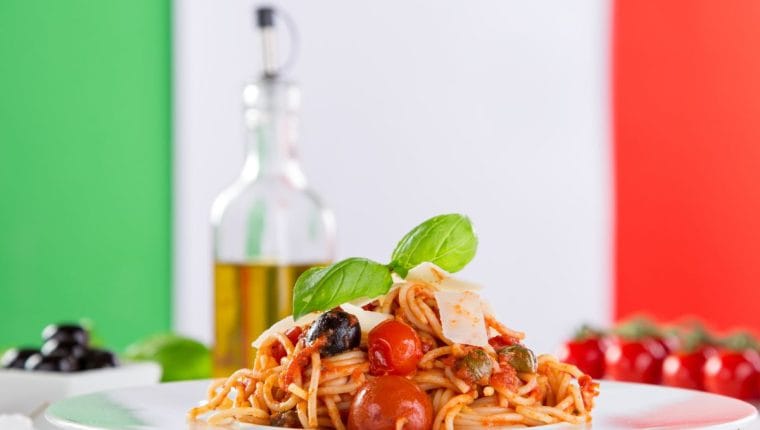
This article was written in collaboration with our partner Leisure Domus, a smart luxury rental brand offering houses, rooms, and curated stays, sharing tips on culture and how to experience Italy like a local.
[Segue la versione in italiano]
The BBC has decided to tackle one of Italy’s most sensitive, hotly debated, and fiercely defended subjects: the dining table. It has published a guide aimed primarily at British and American travelers, listing seven things you should never do when eating in Italy. It’s presented as a small survival guide to Italian food culture, designed to save tourists from disapproving looks from waiters and raised eyebrows from nearby diners.
As Italians, we couldn’t let the British be the ones explaining how we behave at the table. So we decided to revisit the BBC’s guide point by point, not to blindly defend every single one of our traditions, but to see how much truth there really is behind this portrait of Italian dining culture.
In some cases, the BBC gets it right, especially when it comes to our culinary traditions. In many others, though, it leans into the classic stereotype of the average Italian, adding a generous pinch of exaggeration. So let’s take a closer look at what the BBC actually says and see just how closely this guide reflects the Italy we know.
Sommario
- Don’t order a cappuccino after breakfast
- Don’t change the order of the meal
- Don’t mix land and sea
- Don’t ask for substitutions
- Don’t leave the Region
- Don’t be in a hurry
- Don’t skip the amaro
- Non ordinare un cappuccino dopo colazione
- Non alterare l’ordine del pasto
- Non mischiare mare e montagna
- Non chiedere sostituzioni
- Non uscire dalla regione
- Non avere fretta
- Non saltare l’amaro
Don’t order a cappuccino after breakfast
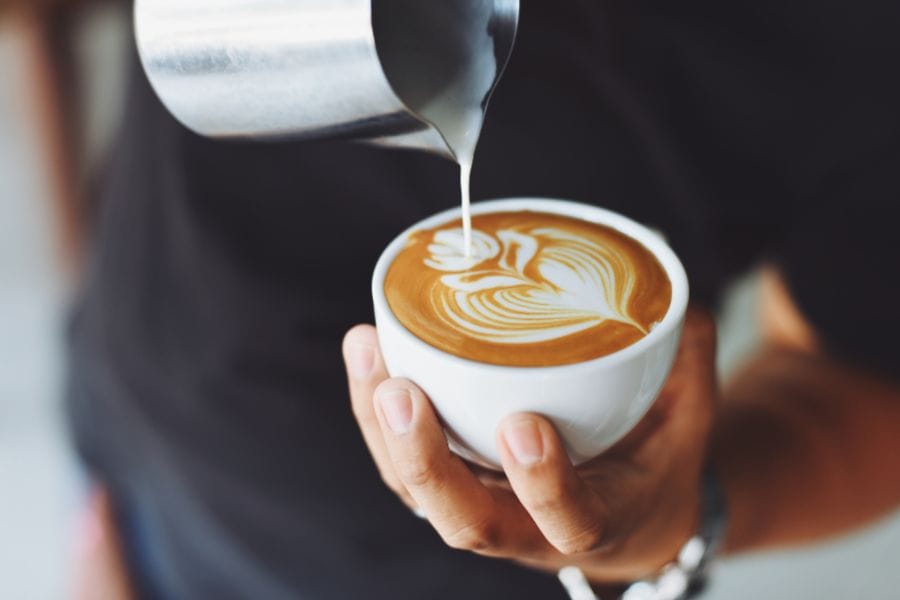
The BBC starts with one of the biggest clichés about Italy: the cappuccino. According to the guide, this drink should only be enjoyed at breakfast, preferably in a café, while ordering one at lunch or dinner is enough to earn a few raised eyebrows. On one point, we can actually agree: most Italians wouldn’t pair a carbonara or a steak with a cup of frothy milk, and an evening cappuccino is still fairly uncommon. That doesn’t mean, though, that a nationwide cappuccino curfew begins at 10 a.m. Some people enjoy one as an afternoon snack, others order it later in the day, and plenty simply drink it whenever they feel like it without causing a national scandal.
The BBC also writes that “cappuccino is enjoyed at a bar for breakfast“, as if the drink somehow loses its dignity the moment it leaves a café counter. That’s where the argument becomes a little more debatable. Yes, Italy has fantastic coffee bars where baristas treat coffee like an art form. But not every café serves a memorable espresso, and not every restaurant ends a meal with a disappointing coffee. Spoiler alert: you can have a terrible espresso at a bar and an excellent one at the end of dinner in a restaurant. Just like anywhere else in the world.
Don’t change the order of the meal
We know, we’re only at rule number two and the BBC is already reminding us of another cornerstone of Italian dining: antipasto, primo, secondo, side dish, dessert, coffee, and amaro. According to the British broadcaster, this order should never be changed because it takes your palate on a carefully balanced journey of flavors. And to be fair, we mostly agree. If you’re sitting down for a traditional lunch or dinner, that’s still the sequence you’ll most likely experience. As for asking for everything to be served at once… yes, that’s a bit unusual in Italy. And for a very practical reason: have you ever seen the size of a table in a traditional Italian trattoria? Between bread, water, wine, and all the plates, there simply wouldn’t be enough room.
That said, not every meal in Italy looks like a wedding reception. At home, nobody prepares six courses every day, and outside of more traditional occasions people eat however they like. Some order only a main course, others start with a salad, and plenty skip the pasta altogether. No one’s going to be arrested by the Italian food police. Then the BBC wraps up this section with the statement: “Pasta is not a side dish.” Well… thankfully! We couldn’t help but wonder: was that ever really in doubt?
Don’t mix land and sea
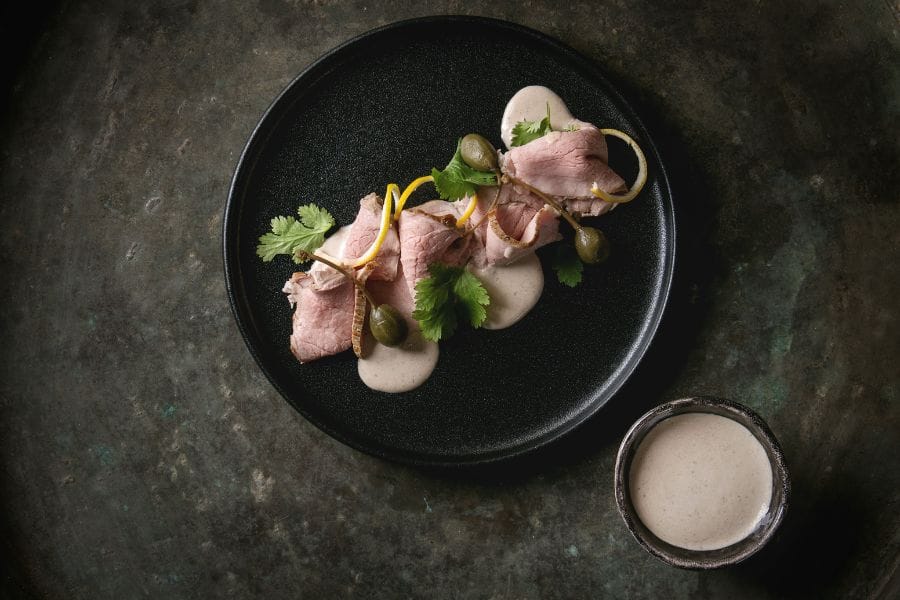
And here we are again with another classic stereotype about Italy. According to the BBC, Italians never mix land and sea on the same menu. If you start with a seafood salad, you’re expected to follow it with spaghetti alle vongole and maybe a plate of fried calamari. Fair enough—that’s a very traditional combination. But saying that seafood can never coexist with meat or cheese? That’s taking it a bit too far.
Does vitello tonnato ring a bell? Exactly. One of Piedmont’s most iconic dishes combines veal with a tuna-based sauce, and nobody has ever considered it a culinary crime. When a recipe is well thought out, land and sea can absolutely work together.
Then there’s the never-ending debate about cheese and seafood. Let’s be honest: every Italian grows up hearing that “you should never put Parmesan on fish.” It’s practically part of our cultural DNA. Yet, in real life, how many people have you seen asking for Parmesan on their seafood pasta? We’ve seen quite a few. Some people raise an eyebrow, others laugh, and many don’t care at all. Once again, the BBC starts from a genuine Italian tradition but presents it as if it were written into law. Thankfully, reality is a lot more relaxed than that.
Don’t ask for substitutions
And once again, dear BBC, we have to ask: what kind of restaurant did you visit? Saying that dishes in Italy can’t be modified is a bit of an overstatement. If a chef has created a dish in a certain way, there’s usually a reason for it, and it’s worth trying it as intended. Randomly swapping ingredients just because “I feel like it” may not be the best idea. But suggesting that asking for a small change will earn you dirty looks? That’s a little dramatic.
If you have allergies, food intolerances, or specific dietary needs, any good restaurant will be happy to accommodate you. And even a simple substitution, when it’s possible, is usually made without any fuss. It’s highly unlikely that anyone will be offended if you ask to replace one ingredient with another.
On one point, though, the BBC is absolutely right. When it explains that short pasta is paired with heartier sauces while long pasta works better with smoother, silkier ones, it’s describing one of the fundamental principles of Italian cuisine. This isn’t culinary snobbery or a chef’s whim. Every pasta shape is designed to complement a specific type of sauce and create the best possible balance in every bite. In this case, our advice is simple: trust the people who cook that dish every single day. Chances are, you’re tasting it exactly as it was meant to be enjoyed.
Don’t leave the Region
This title alone makes us stop and think. The BBC argues that when you visit an Italian region, you should only eat its local specialties. And, to be fair, it has a point. If you’re in Naples, you should absolutely try the pizza. In Rome, order a carbonara. In Florence, go for the famous steak. And if you’re in Sicily, don’t leave without tasting a cannolo. Every Italian region preserves recipes, ingredients, and traditions that tell its own story, and that’s one of the greatest joys of traveling through Italy.
That said, it doesn’t mean those dishes suddenly disappear—or become inedible—the moment you cross a regional border. As a Sicilian, I know very well that finding cannoli made with the same ultra-fresh ricotta you get on the island isn’t easy. Some ingredients inevitably change. But that doesn’t mean a talented restaurant in Northern Italy can’t make an excellent arancina, just as I’ve enjoyed some outstanding carbonara dishes right here in Sicily.
So yes, the BBC’s advice makes perfect sense if you see it as an invitation to discover each region’s culinary heritage. Every corner of Italy has something unique to offer. But if it becomes an absolute rule, we have to disagree. Great food doesn’t stop at regional borders. Traditions may be born in one place, but in the hands of skilled cooks they can be respected, celebrated, and enjoyed anywhere.
Don’t be in a hurry
Come on, we’re almost at the end. On this point, the BBC writes: “Eating at a restaurant in Italy is a social ritual, not simply a digestive transaction.” We actually like that sentence because, overall, it captures the Italian approach to dining quite well. We enjoy taking our time, chatting, laughing, and sharing a meal with friends and family. For us, food isn’t just about eating—it’s about spending time together.
There is one detail, though, that made us smile. When the BBC says that dinners in Italy start after 9 p.m. and end around midnight, it almost sounds as if it’s describing a wedding reception every single time. Sure, there are traditional restaurants where you can happily spend the whole evening at your table. But today’s reality is a little different.
Here’s a little spoiler: more and more restaurants now work with two dinner seatings, give you a time limit for your table, or politely ask you to finish because another group has been waiting for half an hour. It happens all the time in big cities, tourist destinations, and popular restaurants. So once again, we’re dealing with one of those half-truths that helps paint a romantic picture of Italy abroad but doesn’t tell the whole story. Yes, we like to take our time—but we also know how to keep up with modern life.
Don’t skip the amaro
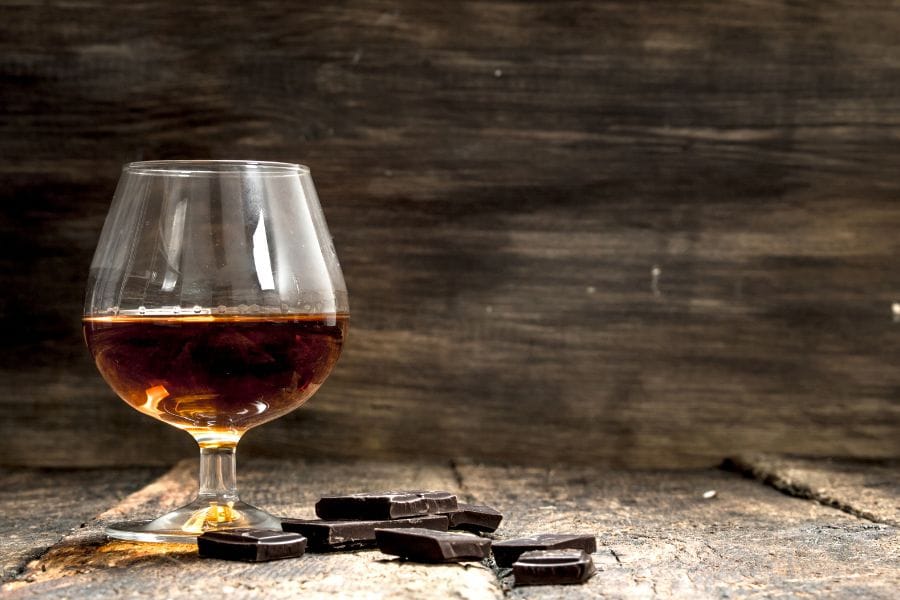
And finally, dessert arrives… well, not quite. According to the BBC, what really marks the end of an authentic Italian meal is the amaro. The guide explains that a proper Italian dining experience ends with dessert, an espresso, and a small glass of this traditional herbal liqueur, ideally one that’s typical of the region you’re visiting. And on this point, we can’t completely disagree. Italy is home to an incredible variety of amari, and many restaurants—especially traditional trattorias—will happily offer one at the end of your meal.
That said, don’t think refusing an amaro is some kind of national insult. Some people order one every time, others prefer a limoncello, a different digestif, or simply ask for the bill after their coffee and head home. Nobody is going to chase you out of the restaurant with a bottle in hand. It’s a pleasant tradition, not a mandatory part of the Italian dining experience.
And perhaps that’s the common thread running through the BBC’s entire guide. Most of its rules are rooted in genuine Italian traditions that are still very much alive today. The problem comes when those traditions are presented as strict, unbreakable laws. Italian cuisine is built on history, respect for recipes, and local culture—but it’s also guided by common sense. If there’s one thing every visitor should take away from a meal in Italy, it isn’t the fear of ordering the “wrong” thing. It’s the joy of slowing down, enjoying great food, and making the experience memorable.
Questo articolo è stato realizzato in collaborazione con il nostro partner Leisure Domus, un brand di ospitalità smart luxury che propone case, camere e soggiorni selezionati, condividendo consigli sulla cultura italiana e su come vivere l’Italia in modo autentico.
Le 7 regole del bon ton italiano secondo la BBC: quanto c’è di vero?
La BBC ha deciso di affrontare uno dei territori più delicati, litigiosi e sorvegliati d’Italia: la tavola. Ha così stilato una guida pensata soprattutto per i viaggiatori britannici e americani, raccogliendo sette cose da non fare quando si mangia nel nostro Paese. Un piccolo manuale di sopravvivenza gastronomica che promette di proteggere i turisti dagli sguardi scandalizzati dei camerieri e dai sopraccigli sollevati dei tavoli vicini.
Da italiani, non potevamo lasciare che fossero gli inglesi a spiegare come ci comportiamo a tavola. Abbiamo quindi deciso di riprendere la guida della BBC punto per punto, non per difendere a spada tratta ogni nostra abitudine, ma per capire quanto ci sia di vero in questo ritratto.
In parte è vero, almeno quando si parla di tradizioni a tavola. In molti altri casi, invece, siamo di fronte al classico stereotipo sull’italiano medio, raccontato con una buona dose di esagerazione. Vediamo allora che cosa dice davvero la BBC e quanto questa guida assomigli all’Italia che conosciamo.
Non ordinare un cappuccino dopo colazione
La BBC comincia proprio da uno dei grandi classici dell’immaginario sull’Italia: il cappuccino. Secondo la guida, questa bevanda andrebbe consumata esclusivamente a colazione, preferibilmente al bar, mentre ordinarla a pranzo o a cena sarebbe sufficiente a provocare un’immediata levata di sopracciglia. Su un punto possiamo anche darle ragione: la maggior parte degli italiani non accompagna una carbonara o una bistecca con una tazza di latte montato, e il cappuccino serale resta un’abitudine piuttosto rara. Questo non significa che dopo le dieci del mattino scatti il coprifuoco. C’è chi lo beve a merenda, chi lo ordina nel pomeriggio e chi, semplicemente, lo prende quando ne ha voglia senza che la Repubblica ne risenta.
La BBC scrive anche che “il cappuccino si gusta al bar a colazione”, come se fuori dal bancone di una caffetteria perdesse automaticamente ogni dignità. Qui la faccenda si fa più discutibile. È vero che in Italia esistono bar specializzati capaci di trattare caffè e latte con grande competenza, ma non tutti i bar preparano un espresso memorabile e non tutti i ristoranti servono caffè da dimenticare. Spoiler: si può bere un pessimo caffè al bancone e trovarne uno eccellente alla fine di una cena.
Non alterare l’ordine del pasto
Lo sappiamo, siamo solo al secondo punto e la BBC ci ricorda già un’altra delle grandi regole della tavola italiana: antipasto, primo, secondo, contorno, dolce, caffè e amaro. Secondo l’emittente britannica questo ordine non andrebbe mai alterato, perché accompagna il palato in un percorso di sapori ben preciso. E qui, in realtà, siamo abbastanza d’accordo. Quando si va al ristorante per un pranzo importante o una cena tradizionale, questa è ancora la sequenza più comune. Del resto, chiedere di portare tutto insieme da noi è un po’ insolito, sì. Anche per un motivo molto pratico: avete mai visto le dimensioni di un tavolino in una trattoria italiana? Tra pane, acqua, vino e piatti, difficilmente ci starebbe tutto.
Detto questo, non è che ogni pranzo in Italia sembri un matrimonio. A casa, nella vita di tutti i giorni, nessuno prepara regolarmente sei portate, e fuori dalle occasioni più tradizionali ognuno mangia come preferisce. C’è chi ordina direttamente un secondo, chi inizia con un’insalata, chi salta completamente il primo. Nessuno verrà fermato dalla polizia gastronomica. E poi però la BBC conclude con: “La pasta non è un contorno”. E meno male, verrebbe da dire. Ma non ho capito, avevate qualche dubbio?
Non mischiare mare e montagna
E anche qui ci troviamo davanti a un altro grande stereotipo sull’Italia. La BBC racconta che da noi mare e montagna non si mischiano mai: se inizi con un’insalata di mare, è quasi scontato che dopo arrivino gli spaghetti alle vongole e magari una frittura di calamari. Fin qui ci può anche stare, perché è un abbinamento classico. Da qui a dire che pesce e carne, o pesce e formaggio, non possano mai convivere, ce ne passa.
Vi viene in mente il vitello tonnato? Ecco, ci siamo capiti. Uno dei piatti più famosi della cucina piemontese mette insieme carne e tonno, e nessuno si è mai sognato di dire che sia un sacrilegio. Quando una ricetta è fatta bene, mare e montagna possono convivere eccome.
Poi c’è il capitolo formaggio e pesce. Ammettiamolo: da quando abbiamo memoria ce la sentiamo ripetere tutti. È una di quelle frasi che ogni italiano conosce. Il bello è che, nella pratica, quante persone avete visto chiedere il parmigiano sugli spaghetti allo scoglio? Io parecchie. Qualcuno storce il naso, qualcuno sorride, qualcun altro non ci fa nemmeno caso. Insomma, anche qui la BBC parte da una tradizione vera, ma la racconta come se fosse una legge scolpita nella pietra. La realtà, fortunatamente, è molto più rilassata.
Non chiedere sostituzioni
E anche qui, cara BBC, una domanda ci viene spontanea: in quale ristorante sei stata? Perché dire che in Italia i piatti non si possono modificare è un po’ troppo categorico. È chiaro che se uno chef ha creato un piatto in un certo modo, c’è un motivo e vale la pena assaggiarlo così com’è. Cambiare ingredienti a caso solo perché “mi va” forse non è la scelta migliore. Da qui a pensare che basti chiedere una piccola modifica per essere guardati male, ce ne vuole.
Se siete allergici, intolleranti o avete particolari esigenze alimentari, nessun ristoratore serio avrà problemi a venirvi incontro. E anche una semplice sostituzione, quando è possibile, viene fatta senza drammi. Difficilmente qualcuno si offenderà se chiedete un ingrediente al posto di un altro.
Su un aspetto, invece, la BBC ha perfettamente ragione. Quando spiega che la pasta corta viene abbinata a sughi più corposi e quella lunga a condimenti più cremosi, racconta una delle basi della cucina italiana. Non è una scelta casuale né un vezzo degli chef: ogni formato nasce per valorizzare una determinata salsa e offrire il miglior equilibrio possibile a ogni boccone. In questo caso il consiglio è semplice: fidatevi di chi quel piatto lo prepara tutti i giorni. Probabilmente lo state gustando proprio nel modo in cui è stato pensato.
Non uscire dalla regione
Qui già il titolo ci fa riflettere. La BBC sostiene che quando si visita una regione italiana bisognerebbe mangiare solo le sue specialità. E, in parte, ha ragione. Se vai a Napoli è quasi un dovere assaggiare la pizza, a Roma la carbonara, a Firenze la bistecca e in Sicilia i cannoli. Ogni regione custodisce ricette, prodotti e tradizioni che raccontano la sua storia, ed è proprio questo il bello di viaggiare in Italia.
Detto questo, non significa che appena esci dalla regione quei piatti spariscano o diventino immangiabili. Io, da siciliana, so benissimo che trovare gli stessi cannoli con la ricotta freschissima non è semplice. Alcuni ingredienti, per forza di cose, cambiano. Eppure, questo non vuol dire che un buon ristorante del Nord non possa preparare un’ottima arancina, proprio come in Sicilia ho mangiato carbonare ottime.
Insomma, il consiglio della BBC è giusto se lo leggiamo come un invito a scoprire le specialità locali, perché ogni regione italiana ha qualcosa di unico da raccontare attraverso la sua cucina. Se invece diventa una regola assoluta, allora non ci troviamo più d’accordo. La buona cucina non conosce confini regionali: la tradizione nasce in un luogo, ma quando incontra mani capaci può essere rispettata e valorizzata ovunque.
Non avere fretta
Dai, siamo quasi alla fine. Su questo punto la BBC scrive: “Mangiare al ristorante in Italia è un rito sociale, non una semplice transazione digestiva”. Ecco, questa frase ci piace e, tutto sommato, racconta bene il nostro modo di vivere la tavola. A noi italiani piace mangiare con calma, chiacchierare, stare in compagnia e goderci il momento. Il cibo non è solo nutrimento, è anche convivialità.
C’è però un dettaglio che ci fa sorridere. Quando la BBC racconta di cene che iniziano dopo le 21 e finiscono a mezzanotte, sembra quasi che stia descrivendo sempre un matrimonio (vedi primo punto). Certo, ci sono ristoranti dove si passa tranquillamente tutta la serata seduti al tavolo, soprattutto nelle trattorie di una volta. La realtà di oggi, però, è un po’ diversa.
Vi spoilero una cosa: sempre più locali lavorano su doppi turni, vi danno un orario entro cui liberare il tavolo oppure vi chiedono gentilmente di concludere la cena perché fuori c’è già chi aspetta da mezz’ora. Succede nelle grandi città, nelle località turistiche e nei ristoranti più richiesti. Insomma, anche qui siamo davanti a una di quelle mezze verità che funzionano bene per raccontare l’Italia all’estero, ma che non descrivono tutta la realtà. Sì, ci piace prendercela con calma, ma sappiamo anche stare al passo con i tempi.
Non saltare l’amaro
E alla fine di tutto arriva il dolce… anzi no, secondo la BBC arriva l’amaro. In effetti, nella sua guida spiega che un vero pasto italiano si conclude con dolce, caffè e un bicchierino di amaro, magari scegliendo quello tipico della regione. E qui possiamo dire che non ha tutti i torti: di amari in Italia ne abbiamo tantissimi e spesso sono proprio i ristoranti a offrirli a fine cena, soprattutto nelle trattorie e nei locali più tradizionali.
Detto questo, non pensate che rifiutare un amaro sia un’offesa nazionale. C’è chi lo ordina sempre, chi preferisce un limoncello, chi sceglie un digestivo diverso e chi, semplicemente, dopo il caffè chiede il conto e torna a casa. Nessuno vi rincorrerà con la bottiglia in mano. È una piacevole abitudine della nostra cultura gastronomica, non un obbligo, e poi però non vi offendete se qualcuno non lo fa.
Forse è proprio questo il filo conduttore di tutta la guida della BBC. Molte delle regole raccontano tradizioni autentiche, nate nel corso degli anni e ancora molto diffuse. Il problema nasce quando queste consuetudini vengono trasformate in divieti assoluti. La cucina italiana è fatta di storia e di rispetto per le ricette, certo, ma anche di buon senso. E se c’è una cosa che un turista dovrebbe davvero portarsi a casa dopo una cena in Italia, non è la paura di sbagliare un ordine, bensì la voglia di godersi il momento e mangiare bene.


